The reason why December has multiple birthstones
The month of December is unique in that it has three birthstones that are official - zircon, turquoise and tanzanite that reflect a mixture of ancient traditions and modern industry influences. This trio emerged through many centuries in a revolving December birthstone list giving people born in December with more blue-gem choices to protect themselves, gain wisdom, or even a rare sparkle.

Introduction
Birthstones are believed to date back to antiquity and are connected to 12 gemstones found on the breastplate of the High Priest (circa 400 BC) and later zodiac-related associations. In time, jewelers established one-gem-per month lists. At the beginning of the 20th century, organizations in Europe as well as in the U.S. standardized these lists. For instance 1912 was the year that in 1912, the American jewelers' group established turquoise as the month's birthstone in December. In the last few decades new gems have been discovered and added. For instance, Tanzanite (found in the year 1967) was declared the birthstone for December in 2002, offering December a variety of options.
The Historical Background and Birthstone Timelines
The birthstone charts have changed over time. The oldest sourcebooks (Josephus, Revelation) linked 12 gemstones to the zodiac month; however, the details differed. In the latter half of the 19th and early twentieth century, the jewelers from Britain and America developed standardized lists. The British National Association of Goldsmiths codified the list in 1937, as did in the U.S. did likewise in 1912 (assigning turquoise to December). The lists remained in place for decades until the gem trade reintroduced changes. The most significant change came in 2002, at the time that the American Gem Trade Association added Tanzanite (blue-violet Zoisite that comes from Tanzania) as the birthstone for December. This was the first that had changed since 1912, indicating an era of modern marketing new gemstones.
The Reasons December Has Multiple Stones
Several factors explain December's multiple gems. In the past, turquoise has been the "traditional" option as a sky-blue gem valued for its protection and good luck. In the past, jewelers recognized the value of providing alternatives. In the context of culture, blue gems were associated in wintertime and were associated with wisdom. in Hindu the lore of navaratna zircon (a sparkling gem) symbolizes the prosperity of the world and its clarity. In terms of commercially, including gems increases options and sales. For instance, AGTA noted that including the tanzanite gem in December's list "should increase the interest" in the market. Guides of the present also note that many stones provide affordable options in addition to more expensive ones and a more user-friendly approach. In a nutshell, the significance of culture (blue means stability) as well as new gem discoveries (tanzanite) and marketing are the main reasons for the month of December being blessed with three birthstones.
Portraits of December's Birthstones
Turquoise - A historic sky-blue to green opaque stone. Traditional sources include Iran's Nishapur "Persian blue" mines and deposits within the American Southwest. Turquoise stone symbolizes health, protection and luck. The ancient Egyptians as well as Native Americans revered it; for instance, it was the color of the burial mask of King Tut. The robin-egg blue color (sometimes with brown veins in the matrix) creates a distinctive "December blue." It was the first birthstone of December, probably chosen because of its vibrancy and the enduring magic of legends.
Zircon - A beautiful natural gemstone that comes in a variety of colors. The one in December is typically bright blue. (Do not mistake it for cubic zirconia that is grown in labs.) It was once extracted from Sri Lanka, Cambodia and Australia blue zircon competes with diamond's sparkle. It is believed to have been associated with virtue: mythology from the past states that it keeps away evil and guarantees restful sleep as well as in Hindu the navaratna symbolise prosperity, wisdom and health. In the Victorian period, the finest blue zircon stones were popular in jewelry. The choice of December's gems is a reflection of its stunning icy blue appearance as well as the rich history of gems.
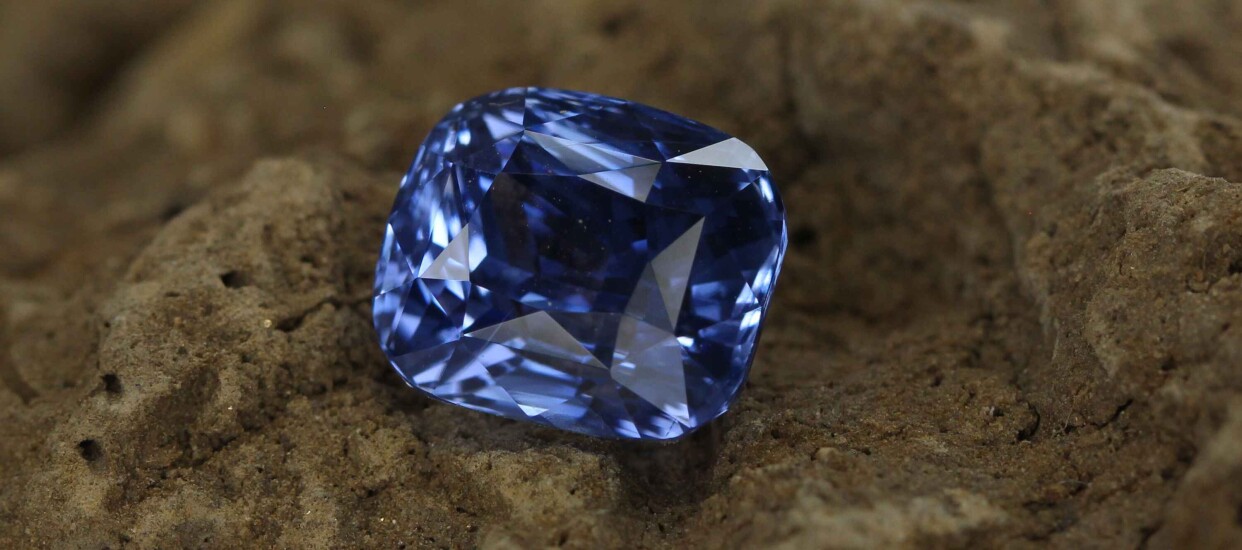
Tanzanite (Zoisite) - A relatively brand new gem with deep blue-violet colors. It was discovered in 1967 close to Mount Kilimanjaro (Merelani Hills, Tanzania) and was quickly marketed globally (notably through Tiffany & Co.). The deep and deep blue (and occasionally violet) color made it extremely sought-after. It was a popular choice for cultural reasons. Maasai tribes would give blue zoisites to the mothers of new babies as a symbol of fortune and security. Its rareness (found just in one place) creates a sense of mystery. It was in 2002 that the gem market declared tanzanite to be an official December birthstone. It is a symbol of the new beginnings of life and transformation, appreciated for its rarity and rich color.
blue Topaz - Not listed in all lists however, it is frequently included in current guidebooks due to its brilliant blue hue and its affordability. Originating from Brazil, Russia and other regions (usually radioactively irradiated into blue) blue topaz can range from light sky to London blue. It's often referred to as the "clarity stone" thought to aid in the ability to communicate clearly and increase wisdom. Many jewelers sell it to the December babies as a cost-effective blue gemstone. Although it is not a birthstone recognized by GIA/AGS it is often advertised to customers as an alternative. Its popularity shows how the fashion and style of people can broaden the options for traditional birthstones.
Contemporary implications for consumers
Today the birthstones of three are a good choice. People born in December have the option of choosing. The buyer can select the gem that is in line with their taste and budget. The most affordable options: Turquoise and zircon offer a variety of prices (tanzanite is usually more expensive). A luxurious choice: Tanzanite appeals when seeking rarity or you're looking to buy a luxury gift. The jewelry of birthstones is a well-loved holiday present. In 2002 23% of the shoppers wanted jewelry for a gift. The gift-giver can personalize the stone one's choice: they could choose the classic charm in turquoise, or perhaps the dazzling of zircon, or even the rare Tanzanite. However, this can cause confusion because different sources mention various December stones. However, overall there are many options to offer a variety of consumer preferences and budgets which makes the tradition of December's birthstone extremely rich and flexible.
Conclusion
The trio of birthstones for December including zircon, turquoise and tanzanite are the result of a long evolution in gemology. Traditions from the past and practical trade choices have brought about the month of December a rainbow of turquoise gems. Each stone has its own story of origin and significance, ranging from the ancient powers of turquoise to tanzanite's current rareness. The end result for buyers is more options and meaning the possibility of choosing the right stone that matches your personality and budget as well as style.


Comments
Post a Comment